
At the Perennial Gathering:
Why Relationships Matter in How Change Happens
By Tara Migliore, Senior Philanthropy and Data Strategy Manager at Uplift Northwest
This year I was invited to attend a global leadership summit in Karuizawa, Japan called the Perennial Gathering. I had long resonated with the ideas of Britt Yamamoto, Perennial’s founder and my former professor and the summit presented a unique opportunity to share Uplift Northwest’s work at an international level.
Making it to Japan felt both like a new career milestone and a return. I first encountered Britt Yamamoto’s work more than fifteen years ago as a graduate student at Antioch University Seattle. My studies at Antioch focused on collaboration, organizational development, and creative approaches to social issues, and it shaped how I understand leadership and community.
Britt’s more recent work in his books, The Soil of Leadership and The Hyakusho Way, describe leadership as something rooted in how we create conditions for life and work to flourish. I was excited to go deeper into these ideas alongside other leaders.
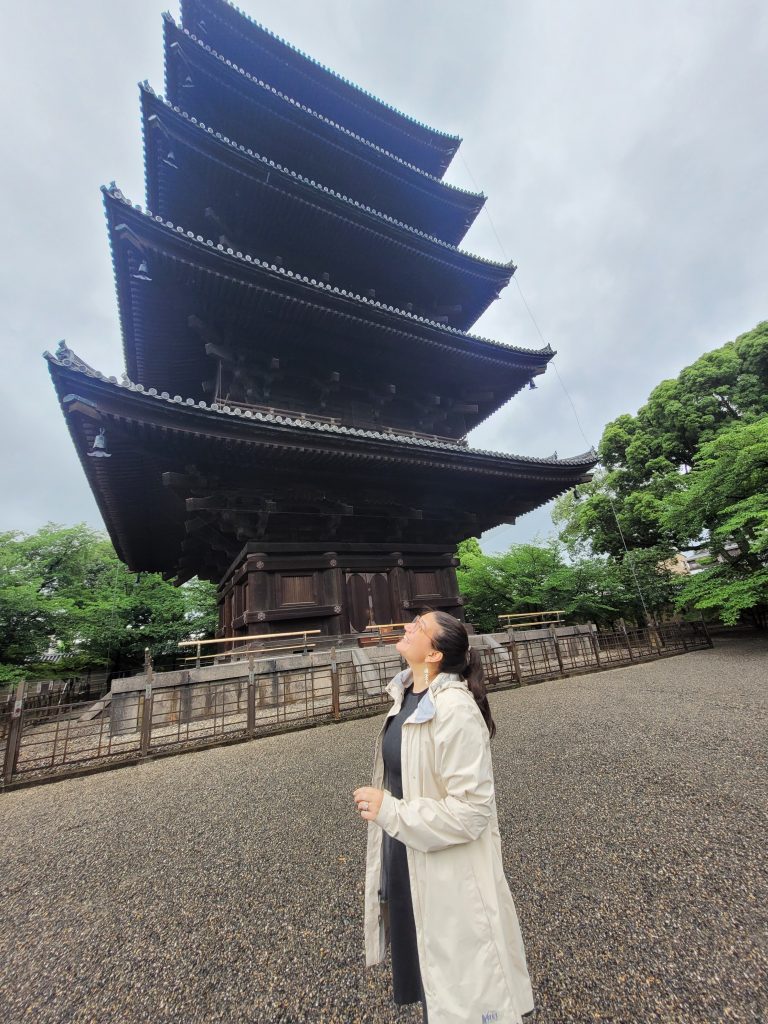
Since leaving Antioch, my life has also shifted in ways that have reshaped my understanding of those “conditions” we may require to flourish. My son was born while I was in graduate school; he is starting high school this fall. I also now live with mobility challenges, and I require a therapeutic diet. These changes have made the idea of “conditions” feel less abstract and more practical. Access and inclusion are not always complicated, sometimes it looks like the noise and activity of a child in the room while the work continues, a space between chairs to park a walker, or a bowl of plain tofu and rice at a pizza party.
In Japan, I arrived with a cohort of 100 delegates from around the world. I was hoping to glean some new insights that I could bring back to Uplift Northwest and to make some connections.
We were welcomed with a tea ceremony and taiko drumming. Then Britt asked the delegates to rearrange the chairs, to form a circle. No stage. No audience. No hierarchy of attention. Just one shared space.
We introduced ourselves without titles. People spoke about where they were from, favorite foods, and who made it possible for them to be there. Something shifted quickly. People became less guarded. More present.
Leadership in that room did not require a spotlight, it was shared.
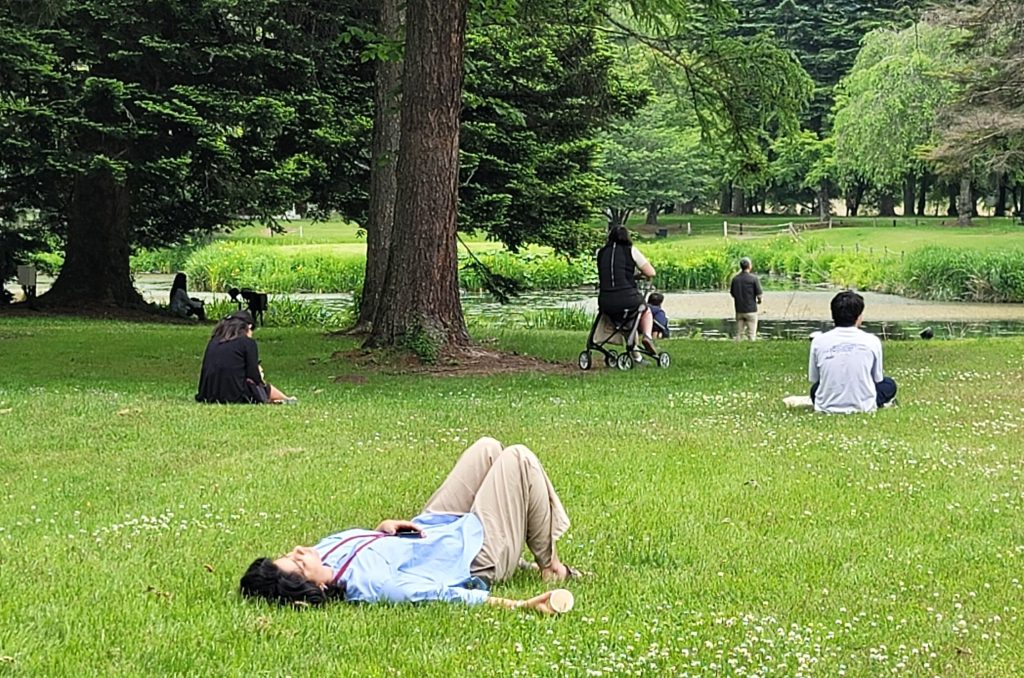
Later, we walked into a meadow for a practice in attunement. I lifted my walker over a low ridge of soil and rolled into the grass. Around me were CEOs, funders, nonprofit leaders, and social entrepreneurs from across the globe sitting quietly in the sun. A pair of sandals sat near a tree. There was no performance. Just people noticing their own thoughts and where they were.
In the meadow, no one explained leadership. That was the point.
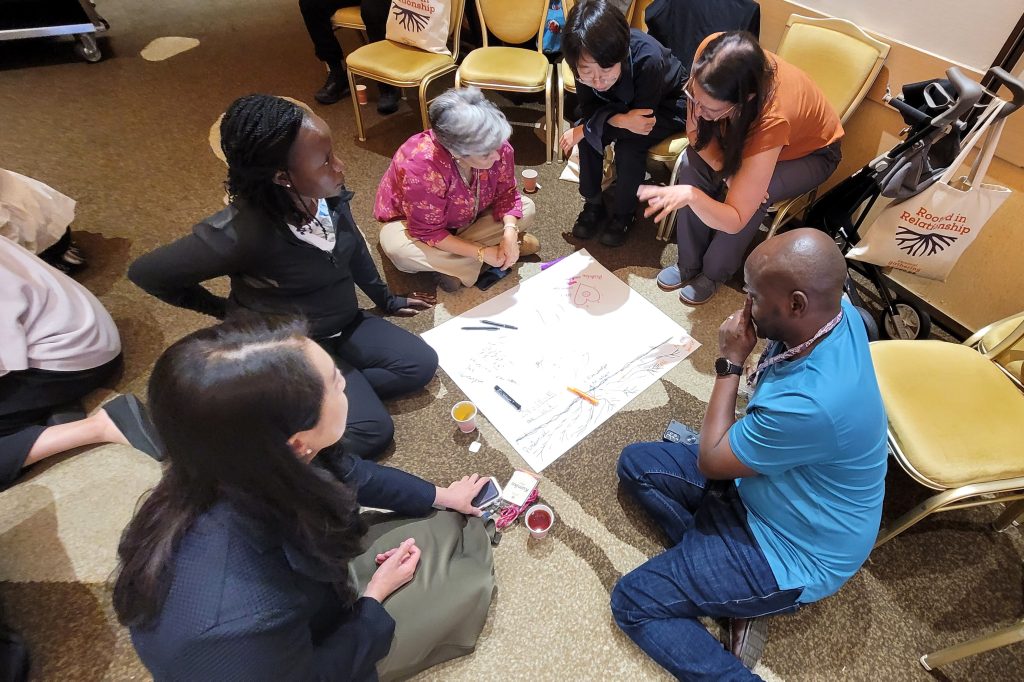
Over the days that followed, conversations were balanced with quiet listening. People stayed with ideas longer and asked insightful questions. Strangers became collaborators and friends.
In the days that followed, one theme surfaced again and again: abundance. It is a key theme in Britt’s writing but also something we each understood as inherently affirming in our own work and communities; not abundance as optimism, but as an attention to what is already present.
This concept of abundance is shaping how I think about our work at Uplift Northwest.
When people enter our programs, we begin with intake. We meet people at moments of urgency. We ask structured questions about employment barriers, job readiness, and immediate needs. This work is necessary. It allows us to respond and support people well.
But there is rarely space in those moments for other questions.
- What has kept you going on your hardest days?
- What new things seem possible now that you have a community supporting you?
- What do you already know about your strengths that might not fit neatly on a form?
These questions go unasked not because staff lack curiosity, but because our systems require consistency, documentation, and a sustainable pace.
Still, we know people arrive at Uplift Northwest with far more than needs. They carry skill, determination, joy, leadership, and so much more.
Abundance in our community is what you see when people are not reduced to what they lack.
In our work this shows up in small moments: a kind greeting, someone checking on a coworker after a hard shift, an employer offering a second chance, one participant helping another get through the day, a funder or partner saying yes to something new.
None of it needs a leadership framework to exist. It just happens between people. And the challenge ahead is not about tearing down necessary systems, but asking ourselves where and how we can let our human connections breathe.
By the end of the Perennial Gathering, I stopped trying to grasp a new insight to bring home and instead noticed the way we were gathered, and how that structure, and those conditions made new things possible. Perhaps our most powerful tool for change is our own attention; attention to people, to conditions, and to what is right in front of us.
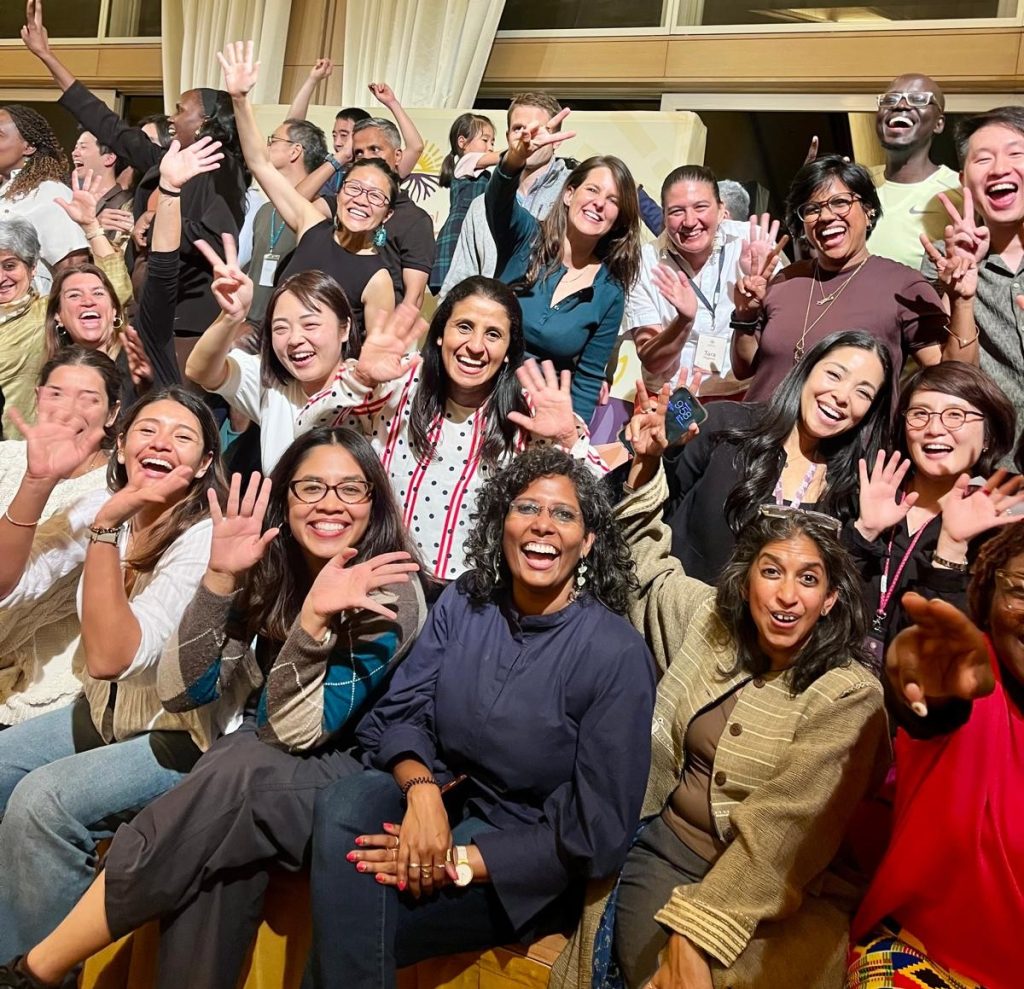
What I brought back from Japan was not a new model or a brilliant new insight. It was a renewed attention to how we do the work, and renewed trust in the people already doing it.
In the meadow, no one explained leadership. That was the point.
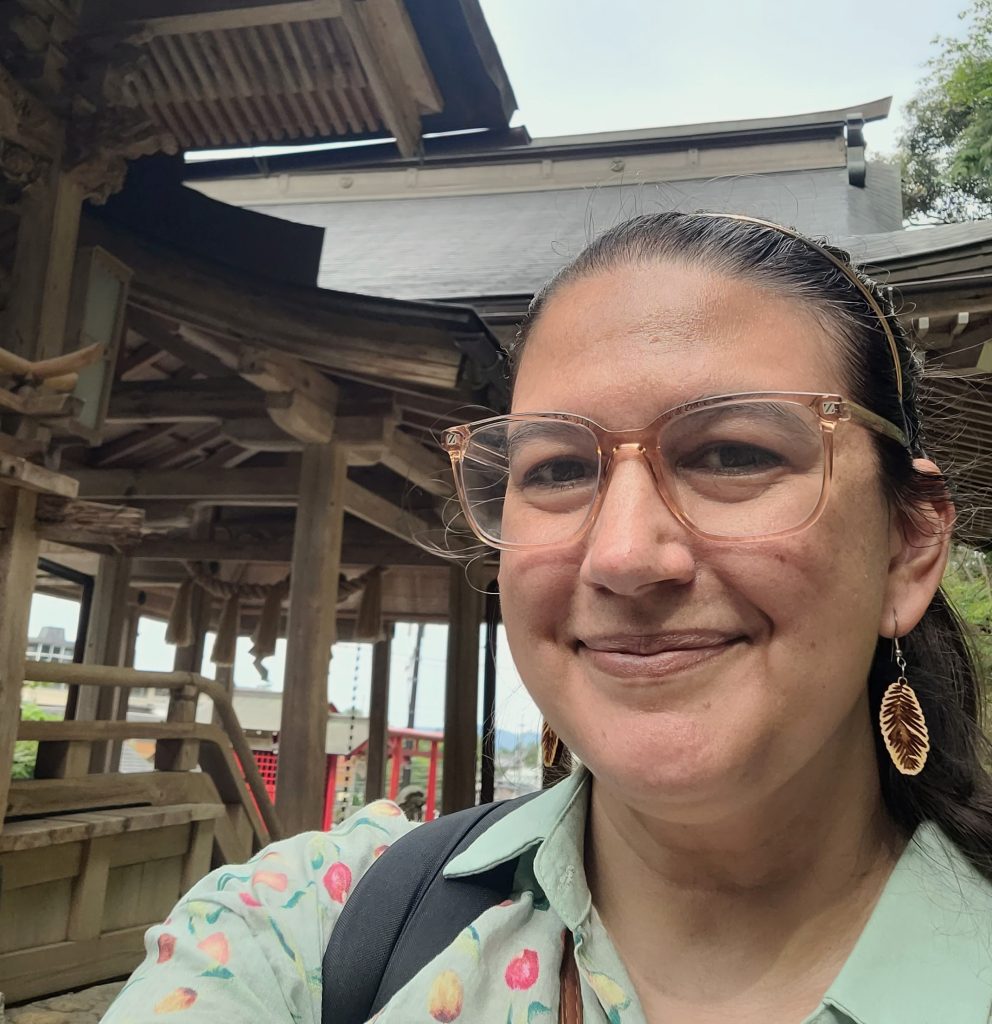
About Tara
Tara Migliore is the Senior Philanthropy and Data Strategy Manager at Uplift Northwest. She holds an M.A. in Environment and Community from Antioch University Seattle’s Center for Creative Change and is a Certified Fund-Raising Executive (CFRE). She is interested in leadership, systems change, and the conditions that help people and communities thrive. Outside of work, she enjoys music, gardening, swimming at Alki Beach, and spending time with her family in South Seattle.